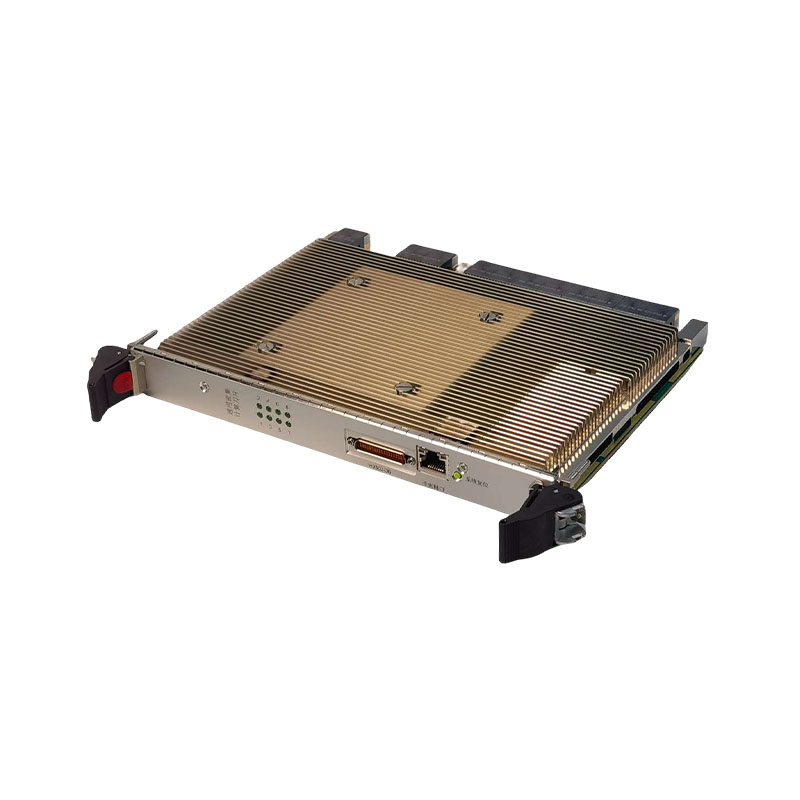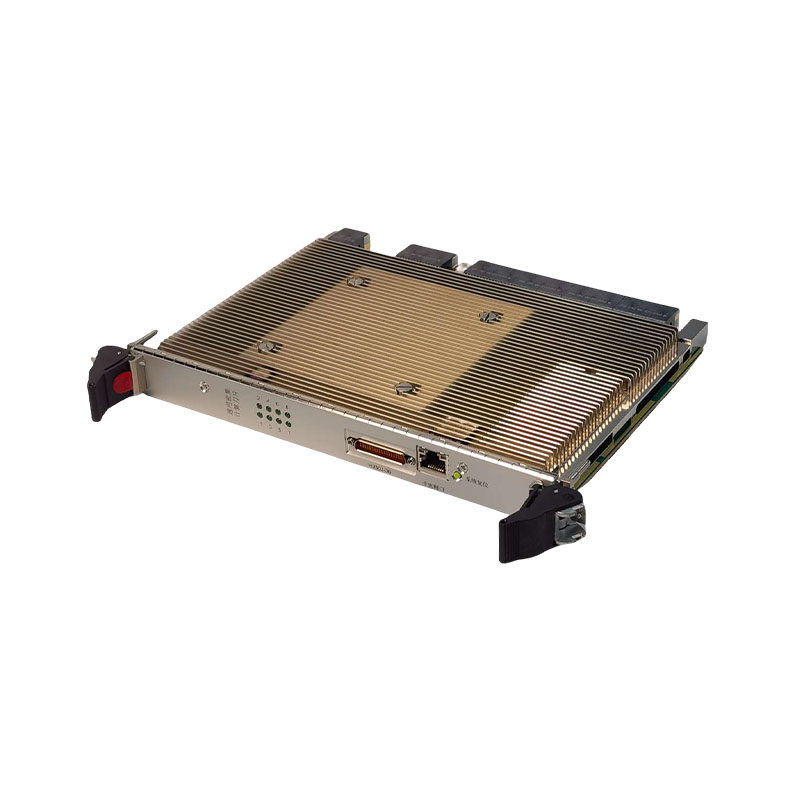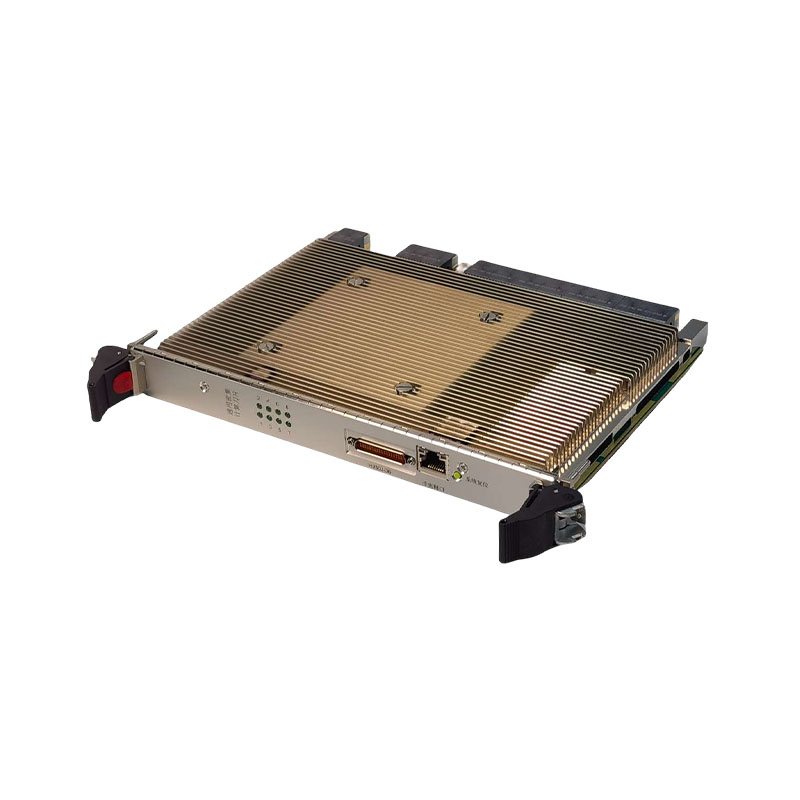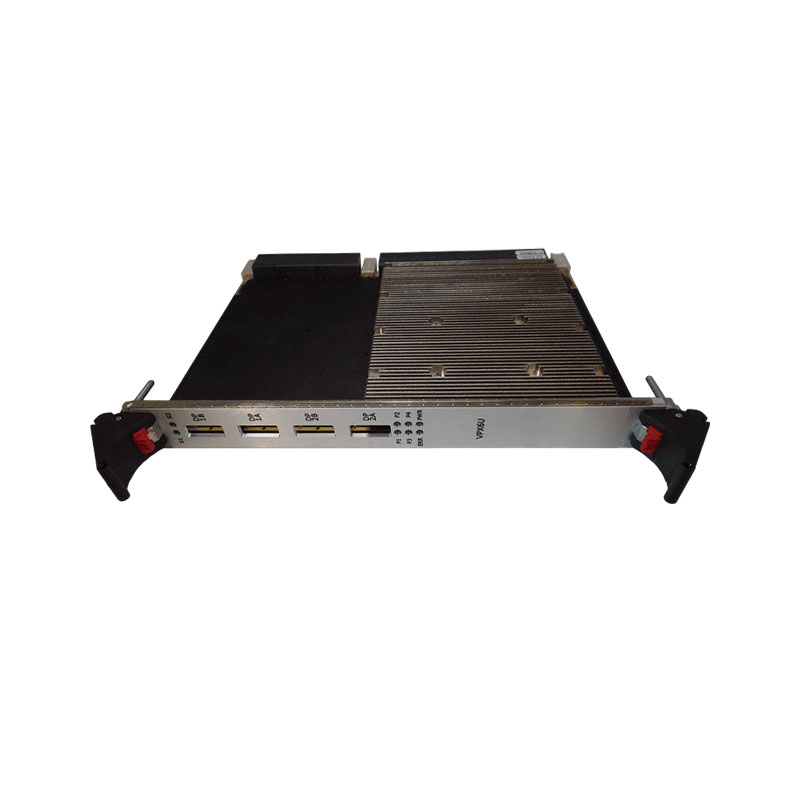

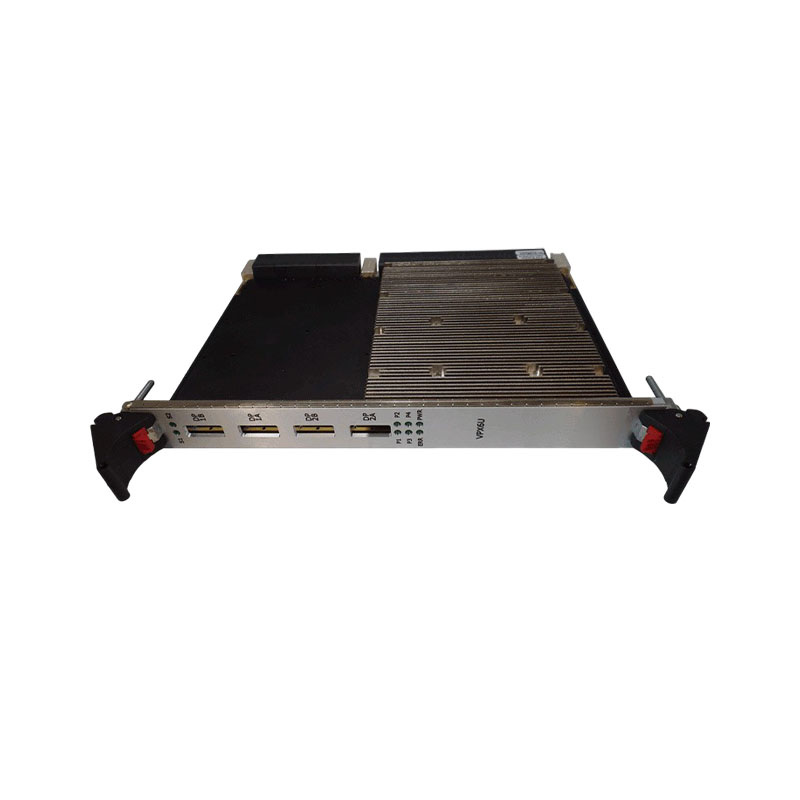
In the design of computer VPX master control cards, the collaborative architecture of multi-core processors and FPGAs has become a core strategy for optimizing real-time signal processing performance.
In critical scenarios such as smart manufacturing, intelligent transportation, unmanned systems, and even modern battlefields, the value of data is often fleeting.
In modern defense electronics, aerospace, radar communications, intelligent measurement and control, and high-end industrial automation systems, the requirements for computing platforms have long surpassed ordinary commercial standards.
In scenarios without stable power grid support, such as field exploration, border patrol, emergency rescue, or mobile operations, the continuous operation capability of intelligent devices directly affects the success or failure of the mission.
In critical scenarios such as modern industrial automation, intelligent transportation, and national defense, the value of data is often fleeting.
In today's era of self-reliance and intelligentization sweeping through defense and industry, the high-performance VPX master control card, with its robust computing power, stable architecture, and domestically produced reliability, continues to solidify